Session Description:
COMPASS requires that SEL be present in every program activity, not only in dedicated SEL lessons, and Program Directors are accountable for making sure their staff can name and use the three required elements– Welcomes, Engaging Strategies, and Intentional Closes–with consistency. Building shared language and a clear implementation expectation before launch is what allows PDs to coach staff toward the standard from day one rather than retrofitting practices mid-year.
In this working session, organizational leaders will work directly with the three Signature Practices: examining how each one shows up in actual program activities, identifying where their staff is likely to need the most support, and drafting how they will introduce and reinforce the practices with their team. The session moves between facilitated examples rooted in CASEL's framework and individual work time on the leader's own implementation plan.
By the end of the session, participants will leave with a Signature Practices Implementation Plan: the three practices defined in their organization's language, expectations named for what staff should be doing in each, and a draft of how the leader will introduce and reinforce the practices with their team. The plan gives the PD what they need to set the SEL standard for their site before staff training begins.
Intended Audience:
Organizational Leaders responsible for SEL implementation. Executive Directors, Multi-Site Leaders.
 Dennis Carter
Dennis Carter began his career in youth development as a counselor with Phipps Neighborhoods (formerly Phipps Community Development Corporation) where he managed an open gym program for neighborhood boys in the South Bronx. After eight years with two branches of service, he was Honorably Discharged and returned to Phipps as a Leadership Specialist for a newly formed Youth Council. Since then, Dennis has held a variety of management roles in youth development, including rising to Executive Director at Directions For Our Youth, and has worked with juvenile justice associated organizations such as the NYC Departments of Probation and Corrections and The Osborne Association. Dennis’ consulting work over the last 15 years includes training, coaching and providing technical assistance to community-based organizations across New York City. In his current role as Director of Community Youth Development, Dennis provides support to the participants of the Mayor’s Youth Leadership Council and the 10 regional councils they represent. He also works with organizations such as the Allan Houston Legacy Foundation on program design and The Osborne Association’s I-CAN program. Dennis grew up in the Bronx and is dedicated to supporting the development of young people and the communities they live in. He continues to support Bronx student-athletes as a basketball coach for the Frederick Douglas Academy III Lions and the NY Metro Flyers amateur athletics program. Dennis holds a Bachelor’s Degree in Liberal Arts with a concentration in Social Sciences from the College of New Rochelle.
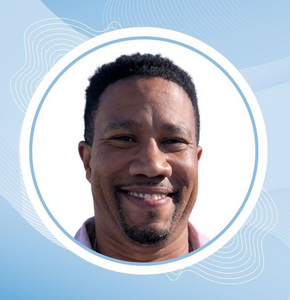 Theo Phillips
Theo is a trainer, facilitator, and consultant with over 17 years of experience in youth development, program design, and organizational capacity building.
His work centers an intentional approach to training and facilitation where context shapes both design and delivery. Grounded in experiential learning, he creates spaces where participants actively engage, reflect, and apply concepts in ways that deepen understanding and shift practice.
Theo works across all levels of organizations, from executive leadership to direct service staff, helping teams translate strategy into actionable practice. He has partnered with city agencies, schools, and nonprofits to strengthen programs, support staff development, and align programming to funding and outcomes.
Organization: Ramapo for Children
Website: https://ramapoforchildren.org/
Org Description: Ramapo for Children partners with schools, youth-serving organizations, and communities to create environments where all young people can succeed. Through training, coaching, and evidence-informed practices, Ramapo helps educators and youth professionals build inclusive, supportive spaces that promote social-emotional growth and engagement.